


Table of contents [Show]
- Introduction
- What Are Sesame Seeds?
- Nutrition Facts of Sesame Seeds
- Per 1 tablespoon (about 9g):
- Health Benefits of Sesame Seeds
- 6. Improves Blood Health
- Daily Dosage: How Much Sesame Seed Should You Eat?
- Recommended Daily Intake:
- Why Not Too Much?
- Best Ways to Eat Sesame Seeds
- How to Prepare Sesame Seeds
- Tips for Maximum Benefits
- Possible Side Effects and Precautions
- Important Disclaimer
- Frequently Asked Questions (FAQ)
- Conclusion
Introduction
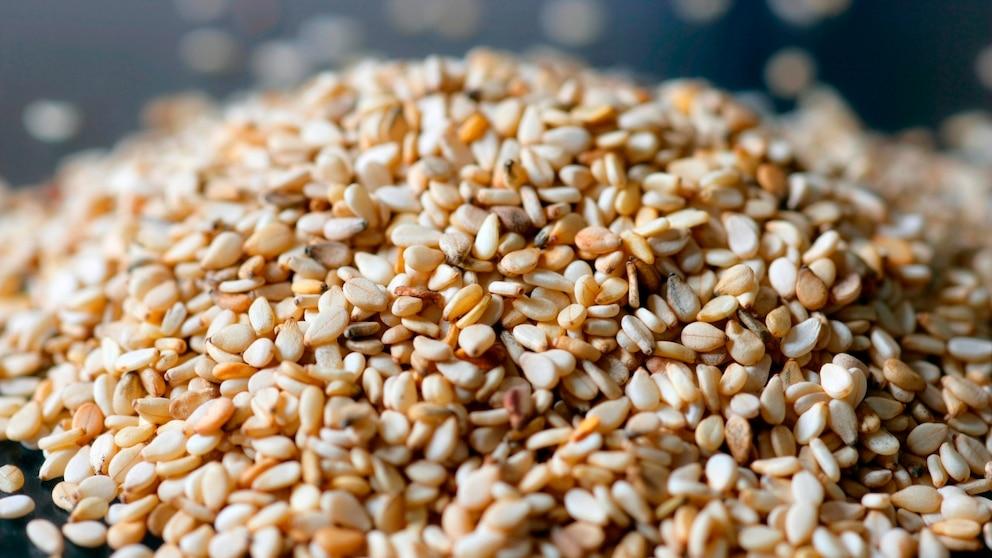
Tiny but mighty, sesame seeds have been used for thousands of years in cooking and traditional medicine. In Nigeria and across the world, they are known not just for their nutty flavor but also for their powerful health benefits.
But are sesame seeds really good for you?
How much should you eat daily?
And what makes them so special nutritionally?
In this comprehensive guide, we’ll break down the nutrition facts, health benefits, daily dosage, and best ways to use sesame seeds for optimal health.
What Are Sesame Seeds?
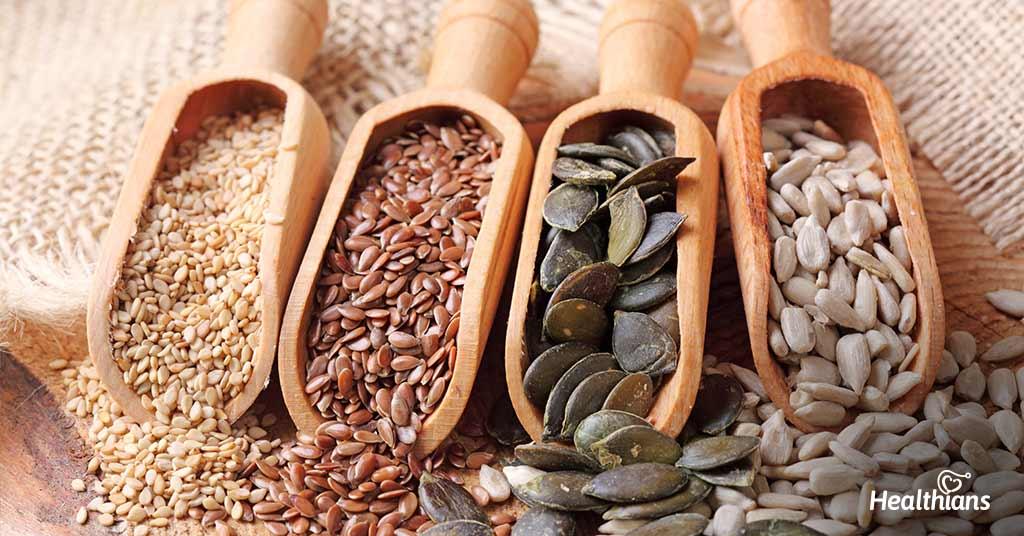
Sesame seeds come from the sesame plant (Sesamum indicum) and are one of the oldest oilseed crops known to man. They are available in different varieties:
- White sesame seeds – mild flavor, commonly used in baking
- Black sesame seeds – stronger flavor, often used in traditional medicine
- Brown/golden sesame seeds – slightly nutty and rich
They can be eaten raw, roasted, or processed into products like sesame oil and tahini (sesame paste).
Nutrition Facts of Sesame Seeds
Sesame seeds are nutrient-dense and packed with essential vitamins and minerals.
Per 1 tablespoon (about 9g):
- Calories: ~50–55 kcal
- Healthy fats: 4–5g
- Protein: 1.5–2g
- Fiber: 1–1.5g
- Calcium: ~7–10% of daily needs
- Iron: ~5–7% of daily needs
- Magnesium: supports muscle and nerve function
- Zinc: boosts immunity and fertility
- B vitamins: support energy metabolism
They also contain powerful plant compounds like lignans (sesamin and sesamol), known for their antioxidant effects.
Health Benefits of Sesame Seeds
1. Supports Heart Health
Sesame seeds are rich in healthy fats and antioxidants that help:
- Lower bad cholesterol (LDL)
- Improve good cholesterol (HDL)
- Reduce risk of heart disease
2. Strengthens Bones
High calcium, magnesium, and phosphorus content make sesame seeds excellent for:
- Strong bones and teeth
- Preventing bone-related conditions
3. Boosts Digestion
The fiber in sesame seeds helps:
- Improve bowel movement
- Prevent constipation
- Support gut health
4. Enhances Skin and Hair Health
Sesame seeds contain vitamin E and antioxidants that:
- Promote glowing skin
- Reduce signs of aging
- Strengthen hair and reduce hair loss
5. Supports Hormonal Balance
Sesame seeds contain lignans that may help regulate hormones, especially in women. This can be beneficial for:
- Menstrual health
- Menopause symptoms
- Overall hormonal stability
6. Improves Blood Health
Rich in iron, sesame seeds help:
- Prevent anemia
- Improve energy levels
- Support oxygen transport in the body
7. May Support Fertility
Thanks to zinc and antioxidants, sesame seeds may:
- Improve sperm quality in men
- Support reproductive health in women
8. Helps Manage Blood Sugar
Sesame seeds have a low glycemic impact and may help:
- Stabilize blood sugar levels
- Improve insulin sensitivity
Daily Dosage: How Much Sesame Seed Should You Eat?
Moderation is key when consuming sesame seeds.
Recommended Daily Intake:
- Adults: 1–2 tablespoons (10–20g) per day
- Children: 1 teaspoon to 1 tablespoon
Why Not Too Much?
Eating too many sesame seeds may lead to:
- Excess calorie intake
- Digestive discomfort
- Potential allergic reactions in sensitive individuals
Best Ways to Eat Sesame Seeds
1. Sprinkle on Food

Add to salads, rice, noodles, or stir-fry dishes
2. Add to Pap (Ogi) or Smoothies
- Mix ground sesame seeds into breakfast meals
3. Use Sesame Oil
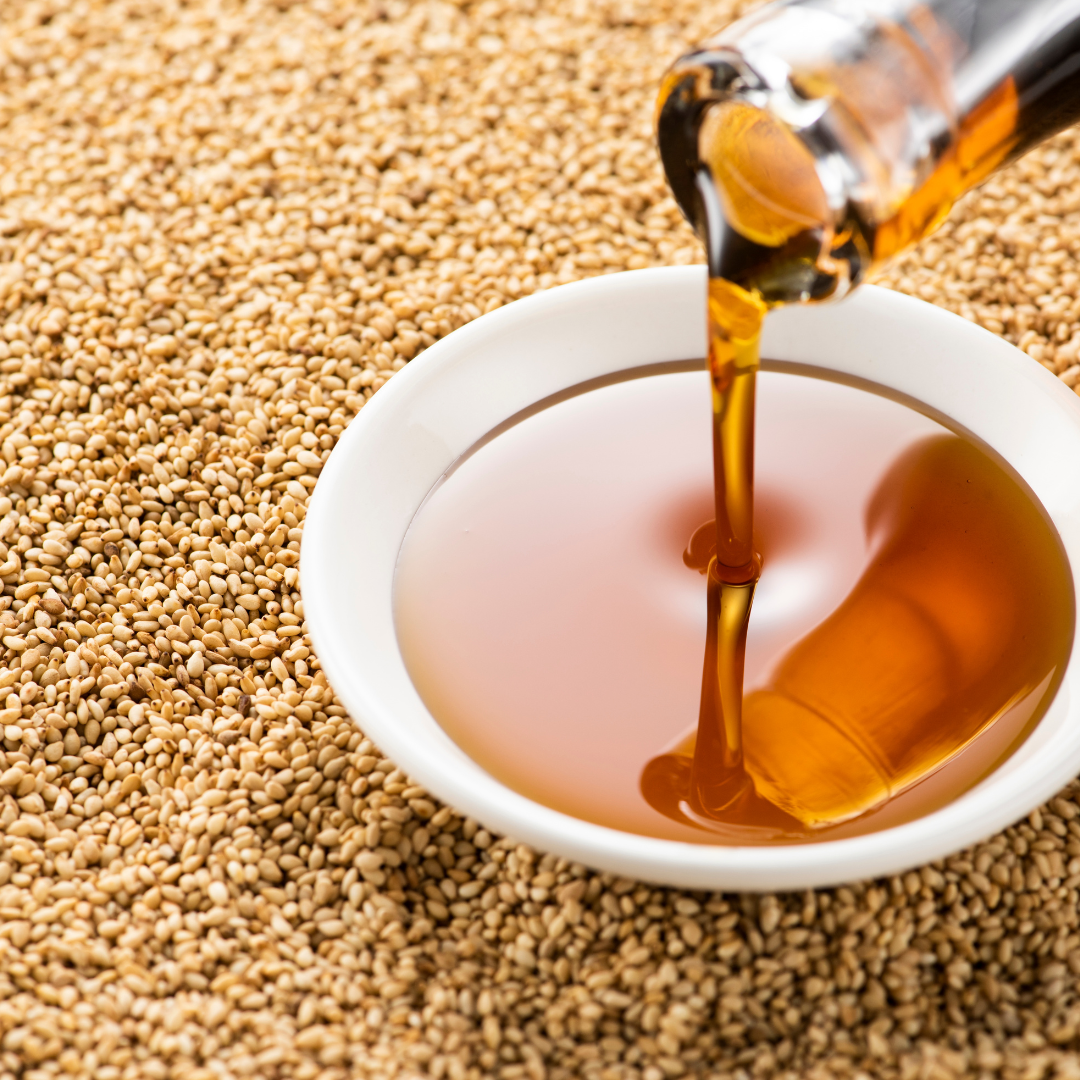
- Cook with sesame oil for added flavor and nutrients
4. Make Tahini (Sesame Paste)
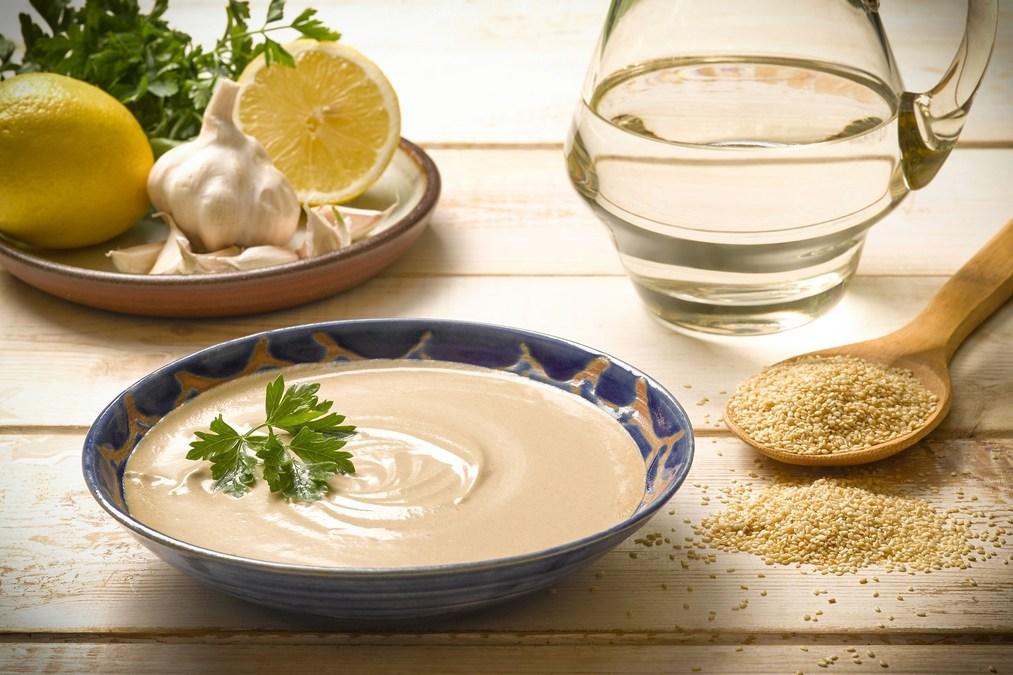
- Blend roasted sesame seeds into a smooth paste
- Use as spread or sauce
5. Baking
- Add to bread, snacks, or homemade cookies
How to Prepare Sesame Seeds
Roasting Sesame Seeds:
- Heat a dry pan
- Add sesame seeds
- Stir continuously for 3–5 minutes
- Remove when golden and fragrant
Making Sesame Powder:
- Roast lightly
- Grind into powder
- Store in an airtight container
- Add to meals as needed
Tips for Maximum Benefits
- Choose unhulled seeds for more nutrients
- Store in a cool, dry place
- Combine with other healthy foods
- Avoid overcooking to preserve nutrients
Possible Side Effects and Precautions
- May cause allergies in some individuals
- High in calories—consume moderately
- Can interact with certain medications
- Excess intake may cause digestive discomfort
Important Disclaimer
This article is for informational purposes only and does not replace professional medical advice.
While sesame seeds are nutritious, they are not a cure for any disease.
If you have:
- Allergies
- Chronic health conditions
- Or are pregnant or breastfeeding
Please consult a healthcare professional before making major dietary changes.
Frequently Asked Questions (FAQ)
1. Can I eat sesame seeds every day?
Yes, in moderate amounts (1–2 tablespoons daily).
2. Are sesame seeds good for weight loss?
Yes, when consumed in moderation, they can support weight management.
3. Which is better: black or white sesame seeds?
Both are healthy, but black sesame seeds often contain slightly more antioxidants.
4. Can sesame seeds increase fertility?
They may support reproductive health due to their nutrient content.
5. Are sesame seeds safe for children?
Yes, in small amounts, unless there is an allergy.
Conclusion
Sesame seeds may be small, but they are incredibly powerful when it comes to nutrition and health benefits. From supporting heart health to improving digestion and hormonal balance, they are a simple yet effective addition to your diet.
The key is consistency and moderation. Adding just a spoonful or two daily can go a long way in improving your overall well-being.