

Table of contents [Show]
- Introduction
- Why Water Temperature Matters
- What Happens When You Drink Cold Water
- What Happens When You Drink Warm Water
- Cold vs. Warm Water: Which Is Better?
- When Should You Drink Each?
- Common Myths About Water Temperature
- Tips for Healthy Water Drinking
- Possible Precautions
- Important Disclaimer
- Frequently Asked Questions (FAQ)
- Conclusion
Introduction
Water is essential for life—but have you ever wondered if the temperature of the water you drink actually makes a difference?
Some people swear by cold water for refreshment, especially in hot weather, while others prefer warm water for digestion and overall wellness. The truth is, both have unique effects on your body.
In this detailed guide, we’ll explore what happens when you drink cold vs. warm water, the benefits of each, when to choose one over the other, and how to use water temperature to support your health.
Why Water Temperature Matters
Water supports nearly every function in the body—from digestion and circulation to temperature regulation and detoxification. The temperature of the water you drink can influence:
- How your body absorbs it
- How your digestive system reacts
- Your metabolism
- Your comfort and hydration levels
What Happens When You Drink Cold Water
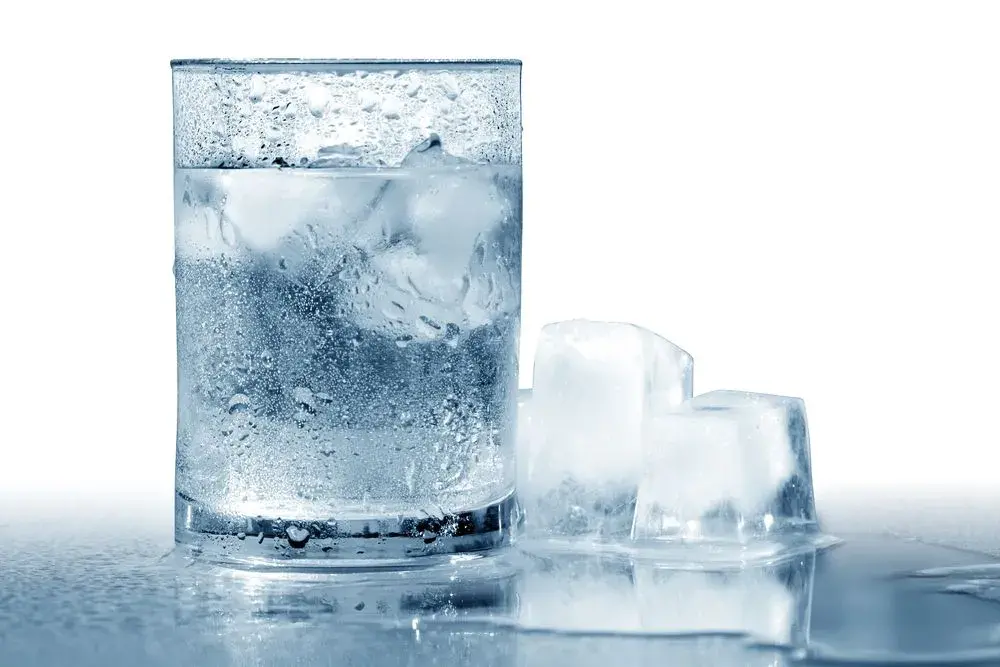
1. Immediate Cooling Effect
Cold water helps lower your body temperature quickly, making it ideal for:
- Hot weather
- After exercise
- Reducing overheating
Your body absorbs the cold water and works to balance your internal temperature.
2. Boosts Alertness and Energy
Cold water can have a refreshing, stimulating effect. It may:
- Wake you up faster
- Improve alertness
- Reduce feelings of fatigue
This is why many people reach for cold water first thing in the morning or during work.
3. Slight Increase in Calorie Burn
Your body uses a small amount of energy to warm cold water to body temperature. This process may slightly increase calorie burning, though the effect is minimal.
4. May Slow Digestion (Slightly)
Cold water can cause blood vessels in the stomach to constrict, which may:
- Slow digestion slightly
- Make food harder to break down
This is why some people feel uncomfortable drinking cold water immediately after meals.
5. Can Trigger Sensitivity
For some individuals, cold water may:
- Cause throat irritation
- Trigger headaches (especially in sensitive people)
- Worsen symptoms of sinus congestion
What Happens When You Drink Warm Water
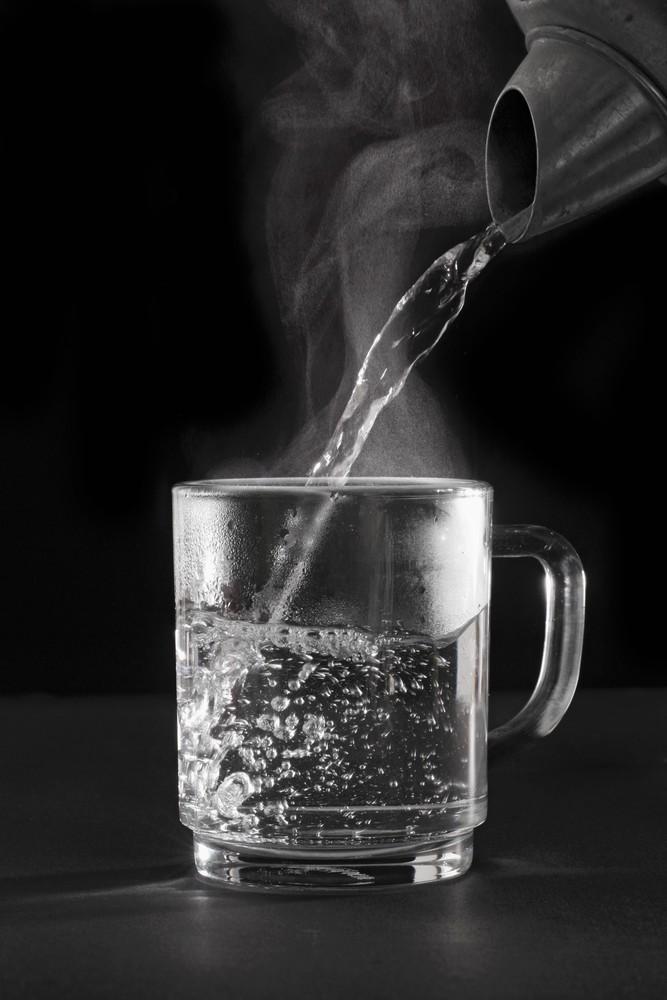
1. Aids Digestion
Warm water is often recommended for digestion because it:
- Helps break down food more easily
- Supports smooth bowel movement
- Reduces bloating
Drinking warm water after meals can support your digestive system.
2. Promotes Detoxification
Warm water may help your body:
- Increase circulation
- Support sweating
- Assist natural detox processes
Although the body detoxifies naturally, warm water can support these functions.
3. Relaxes the Body
Warm water has a calming effect. It can:
- Relax muscles
- Reduce stress
- Soothe the nervous system
This makes it ideal before bedtime.
4. Improves Blood Circulation
Warm water helps expand blood vessels, which may:
- Improve circulation
- Support heart health
- Deliver nutrients more efficiently
5. Helps Relieve Constipation
Warm water stimulates the digestive tract and can:
- Encourage bowel movement
- Reduce constipation
- Improve gut function
6. Soothes Throat and Respiratory System
Warm water can:
- Relieve sore throat
- Reduce mucus buildup
- Improve breathing comfort
This is especially helpful during colds or flu.
Cold vs. Warm Water: Which Is Better?
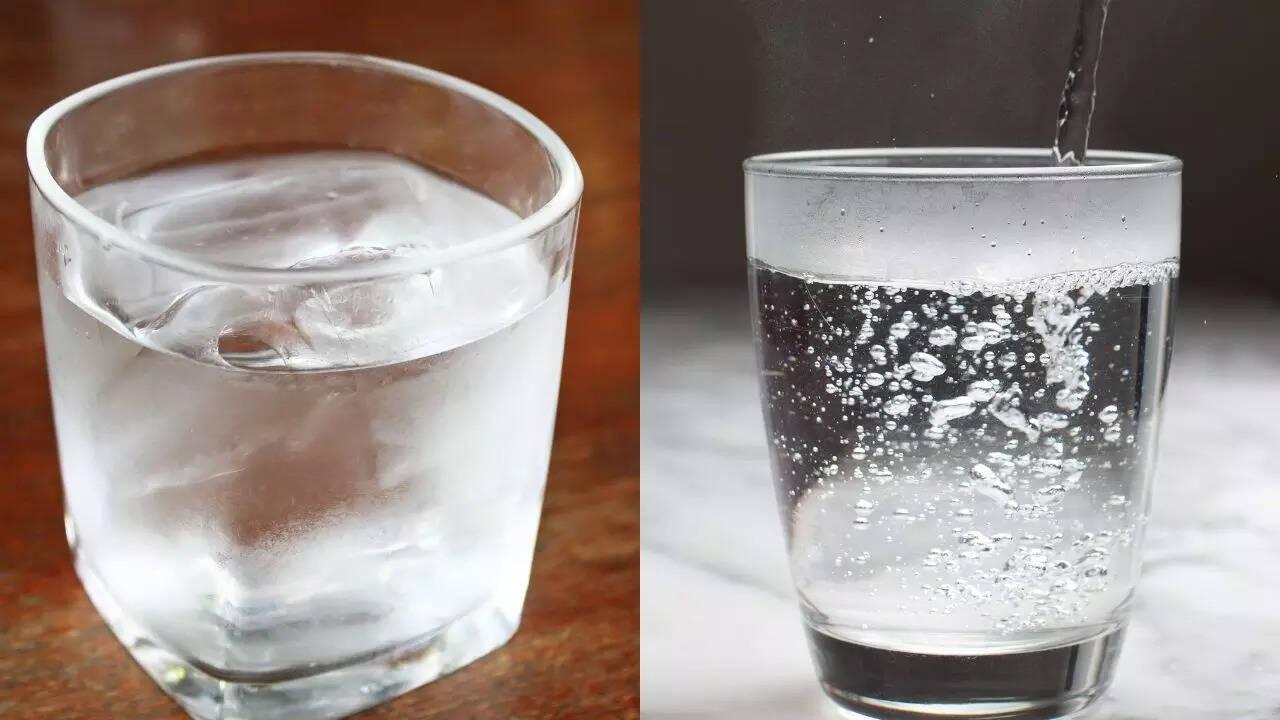
The truth is—neither is “better” universally. It depends on your needs, environment, and body.
Choose Cold Water When:
- You need to cool down
- You’re exercising or sweating
- You want a refreshing boost
Choose Warm Water When:
- You’re focusing on digestion
- You feel bloated or constipated
- You want to relax
- You have a sore throat or cold
When Should You Drink Each?
Morning
Warm water is often recommended to gently wake up your digestive system
During Meals
Room temperature or warm water is better for digestion
After Exercise
Cold or cool water helps rehydrate and cool the body
Before Bed
Warm water helps relaxation and sleep
Common Myths About Water Temperature
Myth 1: Cold Water Is Bad for Your Heart
There is no strong scientific evidence that cold water harms the heart in healthy individuals.
Myth 2: Warm Water “Detoxes” the Body
Your liver and kidneys handle detoxification. Warm water supports the process but does not replace it.
Myth 3: Cold Water Causes Weight Gain
Cold water does not cause weight gain. In fact, it may slightly increase calorie burning.
Tips for Healthy Water Drinking
- Drink at least 6–8 glasses daily (adjust based on your needs)
- Listen to your body’s comfort level
- Avoid extremely cold or extremely hot water
- Stay hydrated throughout the day
Possible Precautions
- Extremely cold water may irritate sensitive teeth or throat
- Very hot water can damage tissues in the mouth and throat
- People with digestive issues may benefit more from warm water
Important Disclaimer
This article is for informational purposes only and does not replace professional medical advice.
Individual responses to cold or warm water may vary.
If you have:
- Chronic digestive issues
- Cardiovascular conditions
- Or other health concerns
Consult a healthcare professional for personalized guidance.
Frequently Asked Questions (FAQ)
1. Is cold water bad after meals?
It may slow digestion slightly, so warm or room-temperature water is often preferred.
2. Can warm water help with weight loss?
It may support digestion and metabolism, but it is not a direct weight-loss solution.
3. Which is better in hot weather?
Cold water is more refreshing and helps cool the body quickly.
4. Can I drink warm water every day?
Yes, it is safe and beneficial for many people.
5. Is room temperature water the best option?
It is a balanced choice and suitable for most situations.
Conclusion
Both cold and warm water have their place in a healthy lifestyle. Cold water refreshes and energizes, while warm water soothes and supports digestion.
The best approach is simple: listen to your body and choose what feels right for your needs at different times of the day.
Staying hydrated—regardless of temperature—is what truly matters most.