

Table of contents [Show]
- Introduction
- Why Nuts Are Good for Heart Health
- How groundnuts support blood pressure:
- Other Heart-Healthy Snack Ideas
- Important Tips When Eating Nuts for Blood Pressure
- Foods to Limit for Better Blood Pressure Control
- Final Thoughts
-
Frequently Asked Questions (FAQs)
- 1. Can eating nuts lower blood pressure?
- 2. How many nuts should I eat daily for heart health?
- 3. Are salted nuts bad for high blood pressure?
- 4. Are groundnuts good for people with high blood pressure?
- 5. Which nut is best for the heart?
- 6. Can diabetics eat nuts?
- 7. Can eating nuts help with weight management?
- Disclaimer
Introduction
High blood pressure, also known as hypertension, is one of the most common health concerns worldwide. Often called the “silent killer,” it can develop without obvious symptoms while increasing the risk of heart disease, stroke, and other health problems.
While medication and medical care are important for people with hypertension, your daily food choices also play a major role in supporting healthy blood pressure levels.
One simple and delicious way to improve your heart health is by adding nuts and nutrient-rich snacks to your diet.
Nuts are naturally packed with heart-friendly nutrients, including healthy fats, magnesium, potassium, fiber, and antioxidants. These nutrients work together to support blood vessel health and help maintain balanced blood pressure.
Let’s explore four powerful snacks that can support your heart naturally.
Why Nuts Are Good for Heart Health
Nuts are small but nutrient-dense foods that provide important benefits for your cardiovascular system.
Regular consumption of healthy nuts may help:
- Support healthy cholesterol levels
- Improve blood vessel function
- Reduce inflammation
- Provide essential minerals for blood pressure regulation
- Keep you satisfied, helping with healthy weight management
Unlike many processed snacks that contain excess salt, sugar, and unhealthy fats, natural nuts provide nutrients your heart needs.
1. Almonds: The Magnesium-Rich Heart Protector
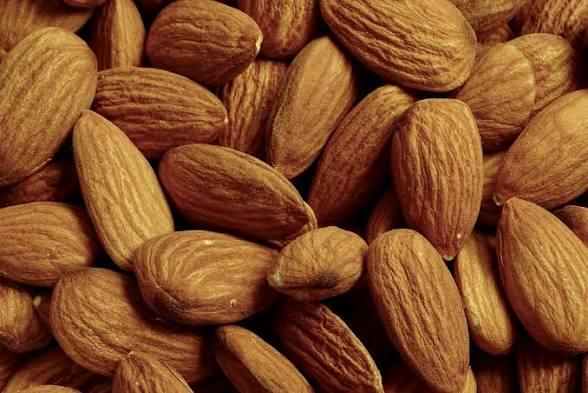
Almonds are one of the most popular heart-friendly nuts. They are rich in magnesium, a mineral that plays an important role in regulating blood pressure.
How almonds support heart health:
- Magnesium helps relax blood vessels
- Healthy fats support balanced cholesterol levels
- Fiber helps improve digestion and heart health
- Antioxidants protect cells from damage
A small handful of almonds can make a satisfying snack between meals.
Easy ways to eat almonds:
- Add them to oatmeal
- Mix with fruits
- Eat as a simple afternoon snack
- Blend into smoothies
Choose unsalted almonds whenever possible to avoid excess sodium.
2. Walnuts: The Omega-3 Powerhouse

Walnuts are unique because they contain plant-based omega-3 fatty acids called alpha-linolenic acid (ALA).
Omega-3 fats are well known for supporting cardiovascular health.
Benefits of walnuts include:
- Supporting healthy blood vessels
- Helping reduce inflammation
- Supporting healthy cholesterol levels
- Promoting overall heart function
Walnuts are especially beneficial when replacing less healthy snacks like biscuits, sugary foods, or fried snacks.
Simple ways to enjoy walnuts:
- Add chopped walnuts to yogurt
- Mix with fruits
- Sprinkle over salads
- Eat a small handful daily
3. Groundnuts (Peanuts): Nigeria’s Affordable Heart-Friendly Snack
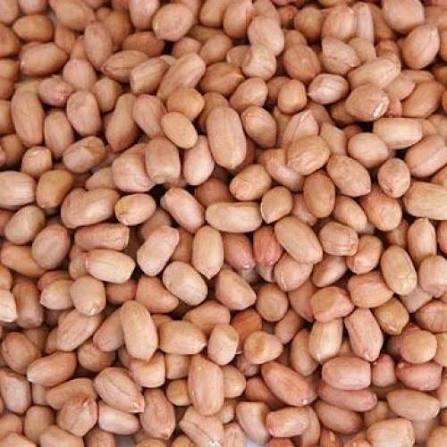
Groundnuts are one of the most accessible and affordable nuts in Nigeria. Despite their low cost, they provide impressive nutritional benefits.
They contain:
- Plant-based protein
- Healthy fats
- Fiber
- Magnesium
- Antioxidants
How groundnuts support blood pressure:
- Potassium helps balance sodium levels
- Magnesium supports blood vessel relaxation
- Protein helps maintain a healthy diet
Enjoy roasted groundnuts without excessive salt for the best benefits.
Healthy ways to eat groundnuts:
- Pair with fruits like banana or apple
- Add to homemade smoothies
- Eat as a snack after exercise
- Mix with oats
4. Cashews: A Nutrient-Dense Heart Snack
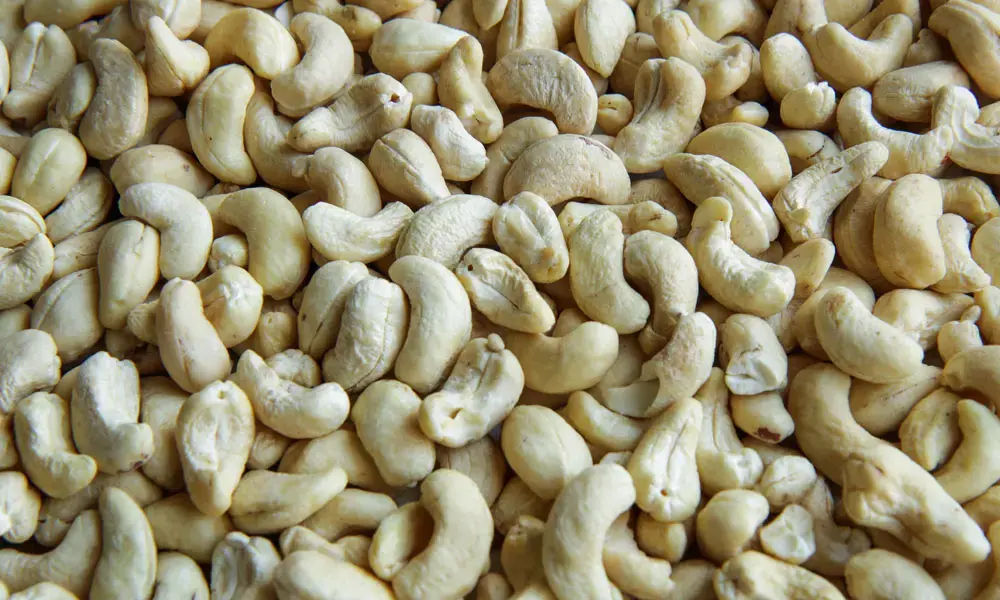
Cashews are creamy, delicious, and packed with minerals that support cardiovascular health.
They contain:
- Magnesium
- Healthy fats
- Plant protein
- Antioxidants
Benefits of cashews:
- Help support normal blood pressure
- Provide energy
- Support healthy metabolism
- Promote fullness between meals
Choose roasted or raw cashews with little or no added salt.
Other Heart-Healthy Snack Ideas
Nuts are excellent, but you can combine them with other foods for even greater benefits.
Try:
Fruit and Nut Mix
Combine:
- Groundnuts
- Almonds
- Walnuts
- Fresh fruits
Yogurt with Nuts
Add nuts to plain yogurt for a protein-rich snack.
Banana and Groundnut Combination
This Nigerian favorite provides potassium, healthy fats, and energy.
Oats with Nuts
A fiber-rich breakfast that supports heart health.
Important Tips When Eating Nuts for Blood Pressure
Although nuts are healthy, portion control is important because they are calorie-dense.
Follow these tips:
- Choose unsalted varieties
- Avoid nuts coated with sugar or excessive oil
- Stick to a small handful per serving
- Combine with vegetables, fruits, and whole foods
- Maintain an overall balanced diet
Remember, nuts support heart health but should be part of a healthy lifestyle that includes exercise and regular health checks.
Foods to Limit for Better Blood Pressure Control
While adding heart-friendly snacks is helpful, reducing certain foods is equally important.
Limit:
- Highly salted snacks
- Processed meats
- Sugary drinks
- Excess fried foods
- Foods high in unhealthy fats
Replacing these foods with nuts and natural snacks can make a positive difference over time.
Final Thoughts
Taking care of your heart does not always require complicated changes. Sometimes, small daily choices can create powerful results.
Adding heart-friendly snacks like almonds, walnuts, groundnuts, and cashews to your routine can provide your body with essential nutrients that support healthy blood pressure and overall cardiovascular wellness.
The next time you feel hungry between meals, reach for a handful of nuts instead of processed snacks. Your heart will thank you.
Frequently Asked Questions (FAQs)
1. Can eating nuts lower blood pressure?
Nuts contain nutrients such as magnesium, potassium, fiber, and healthy fats that may help support healthy blood pressure levels when included as part of a balanced diet.
2. How many nuts should I eat daily for heart health?
A small handful (about 28–30 grams) of nuts per day is generally considered a healthy portion for most adults.
3. Are salted nuts bad for high blood pressure?
Salted nuts may contain high amounts of sodium, which can increase blood pressure in some people. Choose unsalted or lightly salted options.
4. Are groundnuts good for people with high blood pressure?
Yes. Groundnuts contain healthy fats, magnesium, and potassium that support heart health. Choose roasted, unsalted groundnuts for the best option.
5. Which nut is best for the heart?
There is no single “best” nut, but walnuts, almonds, peanuts, and cashews all provide nutrients that support cardiovascular health.
6. Can diabetics eat nuts?
Yes. Nuts are generally diabetes-friendly because they contain healthy fats, fiber, and protein that help slow digestion and support balanced blood sugar levels.
7. Can eating nuts help with weight management?
Yes. Nuts are filling because they contain protein, fiber, and healthy fats, which can help control hunger when eaten in moderation.
Disclaimer
This article is for informational and educational purposes only and is not intended as medical advice. It should not be used as a substitute for professional medical diagnosis, treatment, or guidance. If you have high blood pressure or any underlying health condition, consult a qualified healthcare provider before making changes to your diet or lifestyle. Individual nutritional needs may vary, and what works for one person may not be suitable for another.