

Table of contents [Show]
- Introduction
- What Is White Hibiscus (Isapa)?
- Nutritional Composition of White Hibiscus
- Health Benefits of White Hibiscus (Isapa)
- What White Hibiscus (Isapa) Can Be Used For
- 5. Post-Illness Recovery
- How to Prepare White Hibiscus (Isapa)
- Tips for Best Use
- Possible Side Effects and Precautions
- Why White Hibiscus (Isapa) Deserves More Attention
- Frequently Asked Questions (FAQ)
- Conclusion
Introduction
In Nigeria and across many parts of West Africa, traditional herbs remain a powerful part of everyday health and nutrition. Among these is White Hibiscus, locally known as Isapa (Yoruba), a lesser-known but highly valuable plant with impressive health benefits.
While the red hibiscus (used for zobo drink) has gained widespread popularity, White Hibiscus remains underrated—yet it offers a unique blend of nutrients, medicinal properties, and culinary uses. From supporting digestion to boosting immunity, Isapa is a natural, affordable, and effective addition to a healthy lifestyle.
This comprehensive guide explores everything you need to know about White Hibiscus: its nutritional value, health benefits, practical uses, and how to prepare it properly.
What Is White Hibiscus (Isapa)?
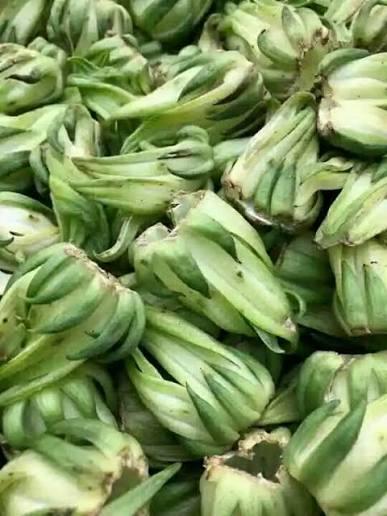
White Hibiscus is a variety of the hibiscus plant family, characterized by its pale or white calyces and mild flavor. Unlike the red variety, it is less sour and often used in traditional herbal remedies and local dishes.
Different parts of the plant are useful:
- Leaves – used in soups and herbal remedies
- Flowers/Calyces – used for teas and infusions
- Stems and roots – sometimes used in traditional medicine
Its versatility makes it both a food and a natural remedy.
Nutritional Composition of White Hibiscus
White Hibiscus is rich in essential nutrients that support overall health:
- Vitamin C – strengthens the immune system
- Iron – supports blood production and prevents anemia
- Calcium – promotes strong bones and teeth
- Dietary Fiber – aids digestion and gut health
- Antioxidants (polyphenols & flavonoids) – protect cells from damage
- Plant Compounds – support detoxification and reduce inflammation
This combination makes it a powerful natural supplement, especially in diets that rely heavily on plant-based nutrition.
Health Benefits of White Hibiscus (Isapa)
1. Strengthens the Immune System
White Hibiscus is naturally rich in Vitamin C and antioxidants, which help the body fight infections and diseases. Regular consumption may reduce the frequency of colds, coughs, and minor illnesses.
2. Improves Digestion and Gut Health
The fiber in Isapa helps regulate bowel movements and prevents constipation. It also supports healthy gut bacteria, which is essential for proper digestion and nutrient absorption.
Traditionally, it is used to:
- Relieve bloating
- Ease stomach discomfort
- Improve appetite
3. Supports Heart Health and Blood Pressure Control
White Hibiscus contains compounds that may help relax blood vessels and improve circulation. This can contribute to:
- Lower blood pressure
- Reduced risk of heart disease
- Better cardiovascular function
4. Helps Prevent Anemia
Due to its iron content, White Hibiscus supports the production of red blood cells. This makes it beneficial for:
- Women of reproductive age
- People with low iron levels
- Individuals recovering from illness
5. Aids Natural Detoxification
White Hibiscus supports the body's natural detox processes by helping the liver and kidneys function effectively. It may help flush out toxins and improve overall metabolic health.
6. Supports Women’s Health
In traditional medicine, Isapa is used to:
- Support menstrual health
- Reduce menstrual discomfort
- Aid hormonal balance
Some communities also associate it with fertility support, although scientific evidence is still limited.
7. Promotes Healthy Weight Management
White Hibiscus is low in calories and can help:
- Reduce cravings
- Support metabolism
- Promote a feeling of fullness
It is an excellent addition to a healthy diet for those trying to manage weight naturally.
8. Anti-Inflammatory and Anti-Aging Properties
Its antioxidant compounds help reduce inflammation and oxidative stress, which are linked to aging and chronic diseases.
What White Hibiscus (Isapa) Can Be Used For
White Hibiscus is highly versatile and can be used in several ways:
1. Herbal Tea
Used as a soothing drink to boost immunity, aid digestion, and relax the body.
2. Traditional Soups
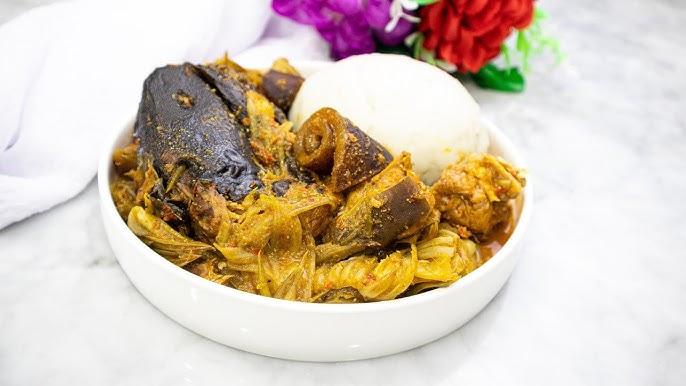
The leaves can be added to soups for both flavor and nutrition, similar to other leafy vegetables.
3. Natural Remedy
Used in traditional medicine for:
- Fever relief
- Stomach issues
- General body wellness
4. Detox Drink
Consumed as a cleansing drink to help flush toxins from the body.
5. Post-Illness Recovery
Helps restore strength due to its nutrient-rich profile.
6. Skin Health Support
When consumed regularly, its antioxidants may contribute to clearer, healthier skin.
How to Prepare White Hibiscus (Isapa)
1. White Hibiscus Herbal Tea (Hot Method)
Ingredients:
- Fresh or dried White Hibiscus leaves/calyces
- Water
- Optional: ginger, honey, or lemon
Steps:
- Wash the leaves or calyces thoroughly.
- Boil water in a pot.
- Add the hibiscus and let it boil for 10–15 minutes.
- Strain into a cup.
- Add honey or ginger for taste (optional).
- Drink warm.
2. Cold Infusion (Mild Detox Drink)
Ingredients:
- Fresh White Hibiscus
- Clean drinking water
Steps:
- Rinse the plant material properly.
- Soak in water overnight (6–12 hours).
- Strain and drink the infused water.
This method produces a lighter, refreshing drink.
3. White Hibiscus Soup (Local Style)
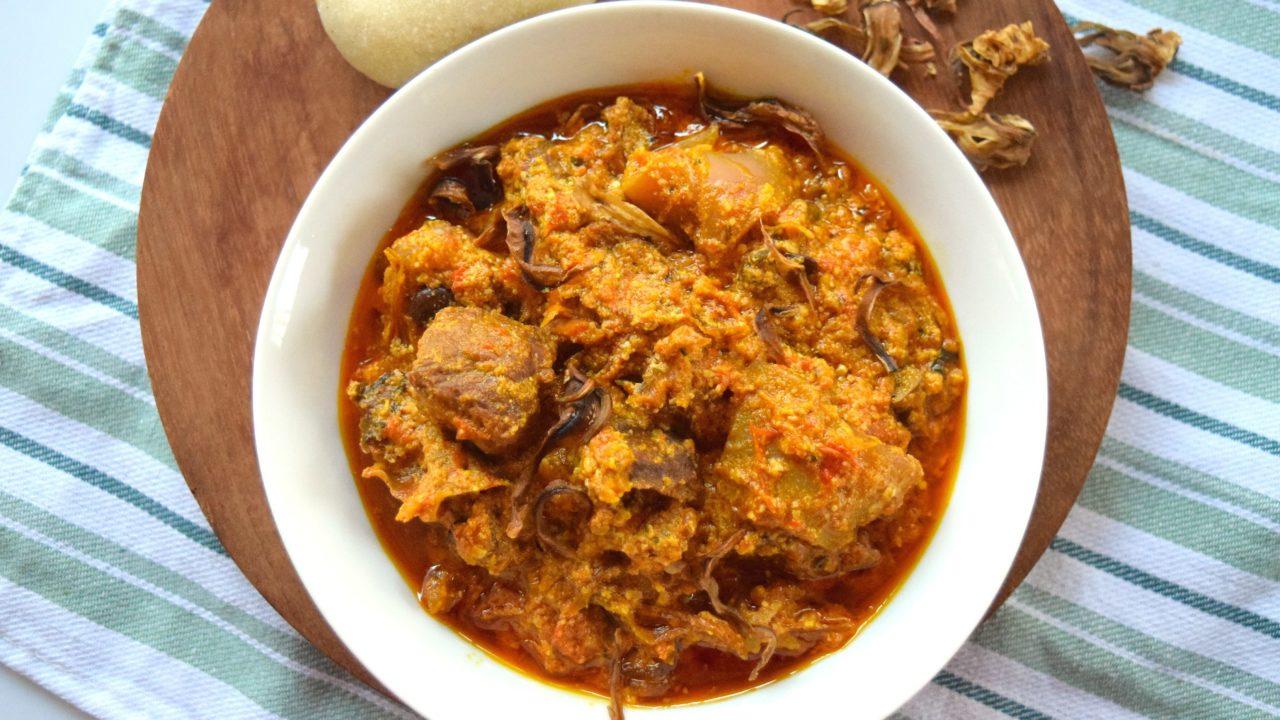
Ingredients:
- Fresh Isapa leaves
- Meat or fish
- Pepper, onions, seasoning
- Palm oil or preferred oil
Steps:
- Wash and chop the leaves.
- Prepare your soup base with meat or fish.
- Add spices and seasoning.
- Add the Isapa leaves towards the end of cooking.
- Simmer for 5–10 minutes.
- Serve with swallow (eba, fufu, or pounded yam).
4. Dried Powder Form
Steps:
- Wash and air-dry the leaves completely.
- Grind into powder.
- Store in an airtight container.
- Add to teas, soups, or smoothies when needed.
Tips for Best Use
- Always wash thoroughly before use
- Use fresh leaves when possible for maximum nutrients
- Store dried forms in a cool, dry place
- Avoid overcooking to preserve nutrients
Possible Side Effects and Precautions
Although generally safe, consider the following:
- Avoid excessive consumption
- People with low blood pressure should use cautiously
- Pregnant or breastfeeding women should consult a doctor
- May interact with certain medications
Why White Hibiscus (Isapa) Deserves More Attention
In a time when many people are turning to natural and organic health solutions, White Hibiscus stands out as a powerful yet affordable option. It is locally available, easy to prepare, and packed with nutrients that support overall well-being.
Adding Isapa to your diet is not just a return to tradition—it’s a smart step toward better health.
Frequently Asked Questions (FAQ)
1. Is White Hibiscus better than red hibiscus?
Not necessarily better, but different. White Hibiscus has a milder taste and unique health benefits.
2. How often can I drink Isapa tea?
You can drink it 2–4 times a week in moderate amounts.
3. Can I mix White Hibiscus with other herbs?
Yes, it blends well with ginger, lemongrass, or mint.
4. Does it help with digestion?
Yes, it is traditionally used to improve digestion and relieve constipation.
5. Is it safe for daily use?
Moderate daily use is generally safe for healthy individuals.
Conclusion
White Hibiscus (Isapa) is a hidden nutritional treasure with a wide range of health benefits and practical uses. From herbal teas to soups and natural remedies, it offers a simple and effective way to improve your health using what nature provides.
Incorporating this traditional herb into your daily routine could be one of the easiest and most affordable steps toward a healthier life